Francais
 Cart
Cart Quote
QuoteSafety and best practices for using roll containers
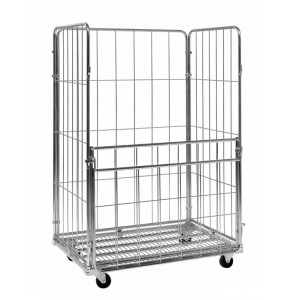
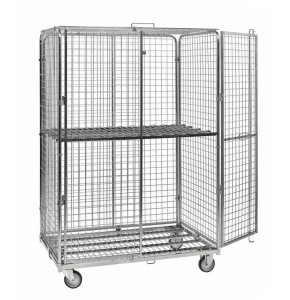
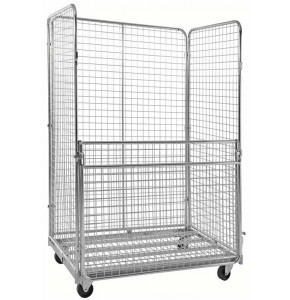
A true backbone of logistics, distribution, and retail, the roll container is an essential piece of handling equipment. Designed to facilitate the transport of goods over short distances, it saves precious time during order picking and shelving operations. However, improper use or choosing inappropriate equipment can lead to significant health risks for operators (Musculoskeletal Disorders, injuries, falls). Based on recommendations from the INRS and the French Social Security, Multiroir offers an overview of best practices to combine productivity and safety.
Identifying handling-related risks
The repeated handling of heavy loads on castors is not without danger. Identifying the causes of accidents is the first step towards effective prevention.
| Type of accident or injury | Main causes |
|---|---|
| Lower back and joint pain | Overloading the roll container, damaged floors (holes, slopes), inappropriate or jammed castors. |
| Foot and ankle injuries | Crushing, structural fragility, deformation of bases or side panels. |
| Hand cuts and entrapment | Broken welds, sharp edges, poor grip on the uprights. |
| Falls during transshipment | Lack of a stopping bumper on the dock or tailgate, slippery surface, lack of clearance. |
| Facial injuries | Sudden and violent release of a poorly designed lashing strap. |
How to choose the right roll container?
Safety starts with purchasing. At Multiroir, we recommend investing in robust equipment, complying with current handling standards (such as NF H 50 501), and perfectly suited to your working environment.
Essential technical criteria:
- An ergonomic structure: Opt for a base with rounded corners or a protective bumper to limit impacts.
- High-quality castors: Favor wheels with a minimum diameter of 125 mm and low-friction hubs. This ensures reduced starting effort and better vibration absorption.
- A braking system: The roll container must have a lock on at least two swivel castors.
- Secure fastenings: The assembly device between the base and the side panels must prevent any risk of accidental detachment during handling.
- Suitable straps: The tightening system must be easy to handle (maximum width of 50 mm) and allow for quick release without a dangerous elastic effect.
The golden rules for safe daily use
Rule #1: Smart loading
Balancing the roll container is essential to prevent it from tipping over. Goods must be loaded in order of decreasing density: the heaviest products always placed at the bottom and back, and the lightest at the top. Strictly limit the load to a maximum of 350 kg (unless otherwise specified by the manufacturer).
Rule #2: Proper handling gestures
The basic rule of logistics ergonomics applies here: always push a roll container, never pull it. Pulling a roll container exposes the back to dangerous twisting and increases the risk of crushing heels. On a ramp, the operator must always stand uphill from the load. Wearing safety shoes and handling gloves is essential.
Rule #3: The importance of environment and maintenance
Keep traffic areas clean, smooth, and clear (avoid ramps steeper than 5%). Frequently inspect structures and welds. Immediately remove any damaged equipment using a visual marker (like yellow tape), and clean or replace castors as soon as they show signs of jamming.