Francais
 Cart
Cart Quote
QuoteCold room food storage: materials, equipment and optimal organization
The cold room is the central hub of any food processing, agricultural, or foodservice operation. Its efficiency does not rely solely on refrigeration performance: the quality of internal storage equipment, material selection, and space organization are equally critical factors.
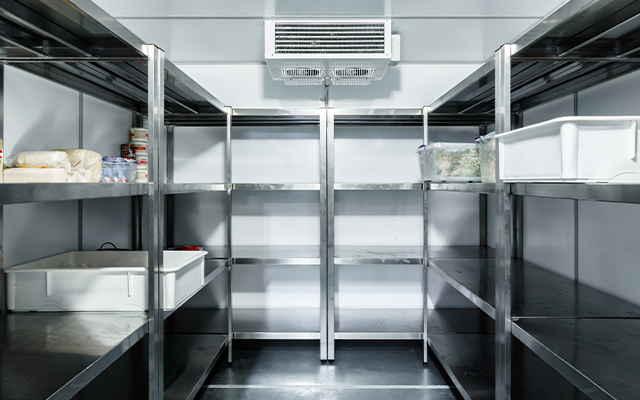
Proper organization ensures food safety, optimizes inventory management, and reduces waste. Here is a comprehensive guide to equipping and organizing your cold room according to industry best practices.
Types of cold rooms and their specific requirements
Before addressing equipment, it is important to note that requirements vary depending on the type of cold room:
- Positive cold room (0 °C to +4 °C): for refrigerated products (meat, dairy, fresh vegetables, fish). Equipment must withstand high humidity and near-freezing temperatures.
- Negative cold room (–18 °C to –25 °C): for frozen goods. Equipment is subject to severe thermal constraints: material contraction, frost formation, and brittleness of standard plastics.
- Controlled atmosphere cold room (0 °C to +5 °C with CO₂ and O₂ regulation): for long-term fruit and vegetable storage. Specific requirements apply to materials and sealing.
Materials suitable for cold environments
Structures and shelving
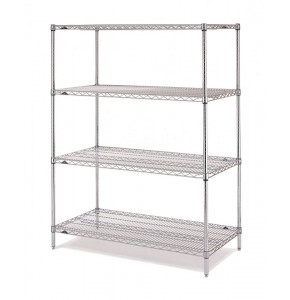
Stainless steel 304 (18/10) is the reference material for shelving and carts in positive cold rooms. Non-corrosive, hygienic, and resistant to high-pressure cleaning, it ensures optimal durability in humid environments.
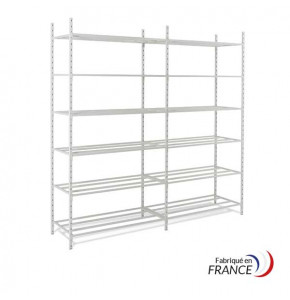
For negative cold rooms, hot-dip galvanized steel or stainless steel shelving is preferable to coated structures. Anodized aluminum profiles are also an excellent alternative for lightweight shelving.
Discover our stainless steel shelving >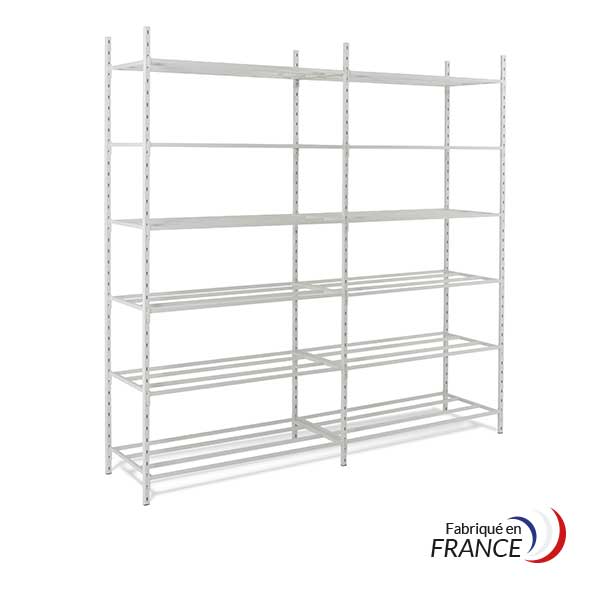
Bins and containers
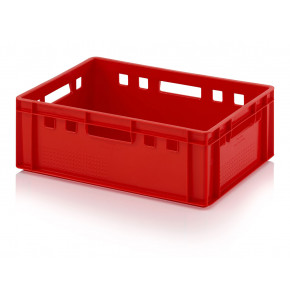
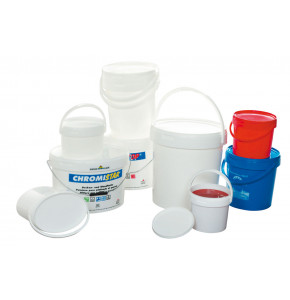
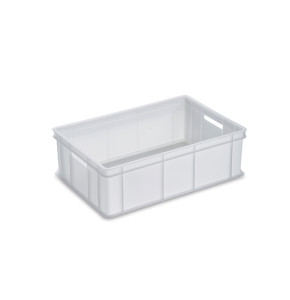
In positive cold rooms, food-grade polypropylene (PP) and high-density polyethylene (HDPE) bins are the most common. These materials are food-contact compliant, easy to clean, and resistant to cleaning agents.
In negative cold rooms, HDPE generally performs better under freezing conditions (PP may become brittle below -10 °C unless specifically designed).
View our HDPE food bins >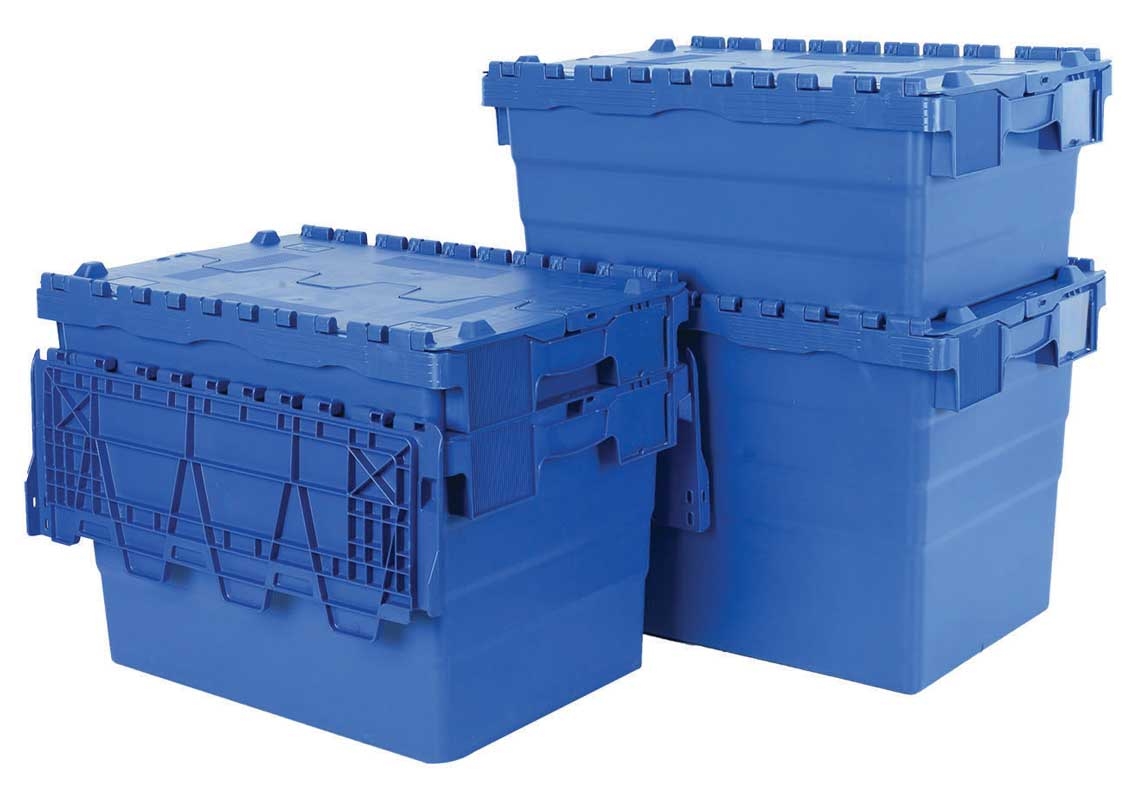
Flooring
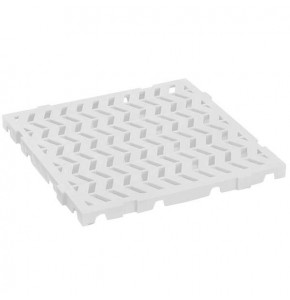
Cold room flooring must be slip-resistant even when wet, resistant to thermal shock, waterproof, and compatible with aggressive cleaning products. Food-grade PVC or stainless steel gratings in work areas help prevent slips and improve ergonomics.
Discover our hygienic gratings >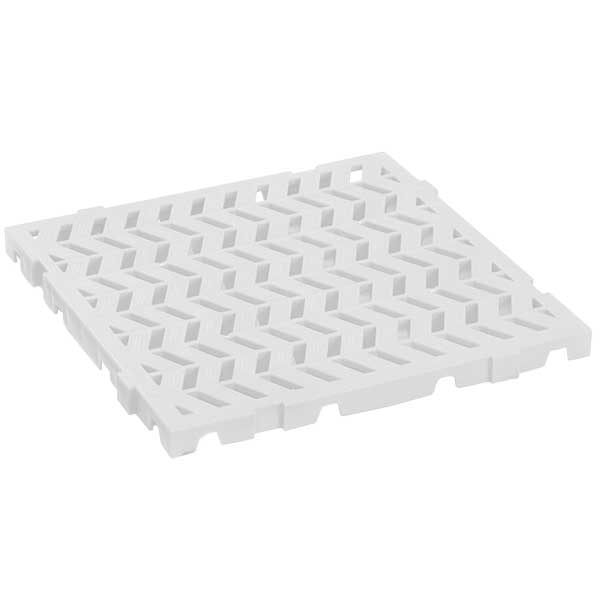
Essential storage equipment
Cold room carts
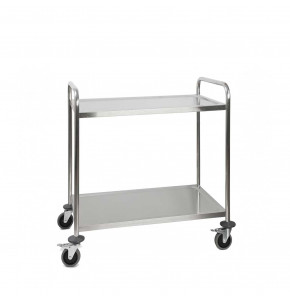
For loading and unloading operations, stainless steel or galvanized multi-shelf carts allow order preparation directly in the cold room and safe transport without breaking the cold chain. Wheels must be suitable for freezing and wet floors (stainless steel or high-density rubber).
View our stainless steel carts >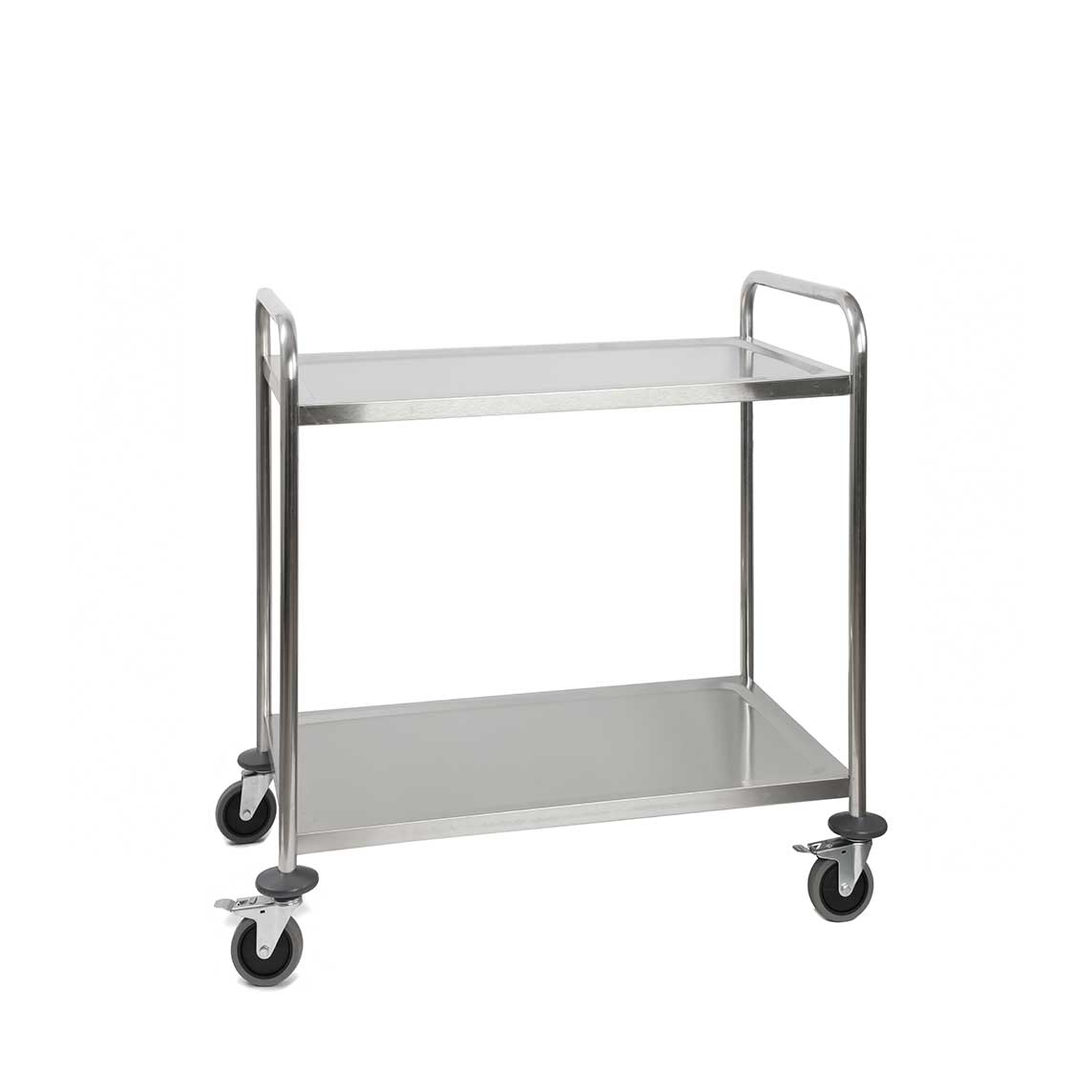
Bins with lids and film covers
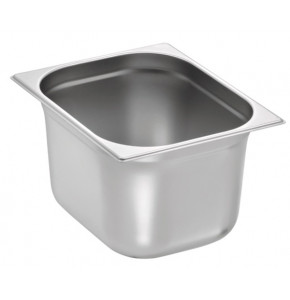
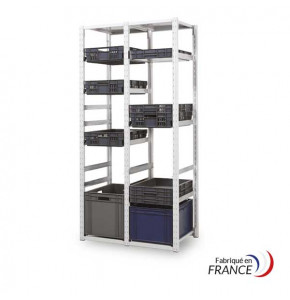
All products stored in a cold room must be covered to prevent dehydration, cross-contamination, and odor absorption. Gastronorm containers with clip-on lids or film covers ensure quick and airtight sealing.
Discover our Gastronorm containers >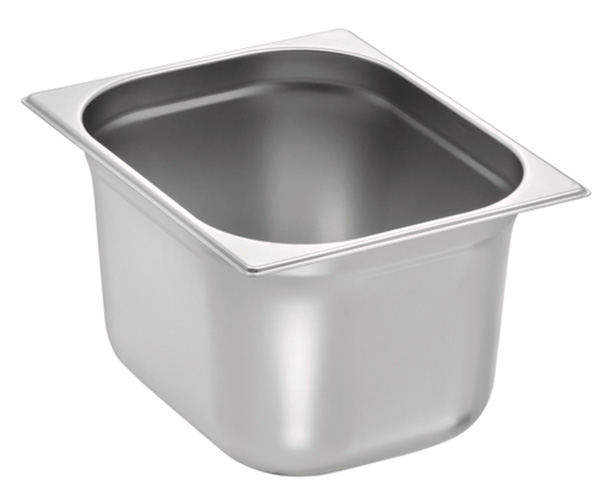
Color-coded bins for HACCP management
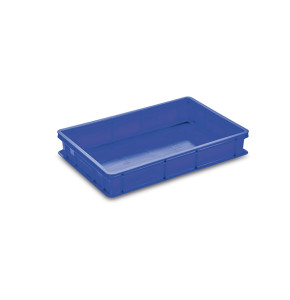
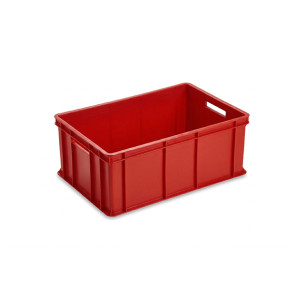
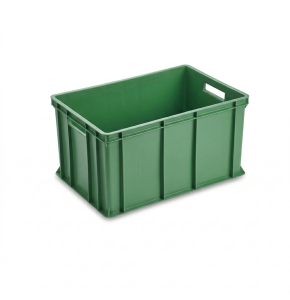
HACCP requirements often demand physical or visual separation of food categories (e.g., raw meat vs. cooked products). Colored food-grade plastic bins (red, blue, green, white, yellow) enable immediate identification of dedicated zones.
View our HACCP color-coded bins >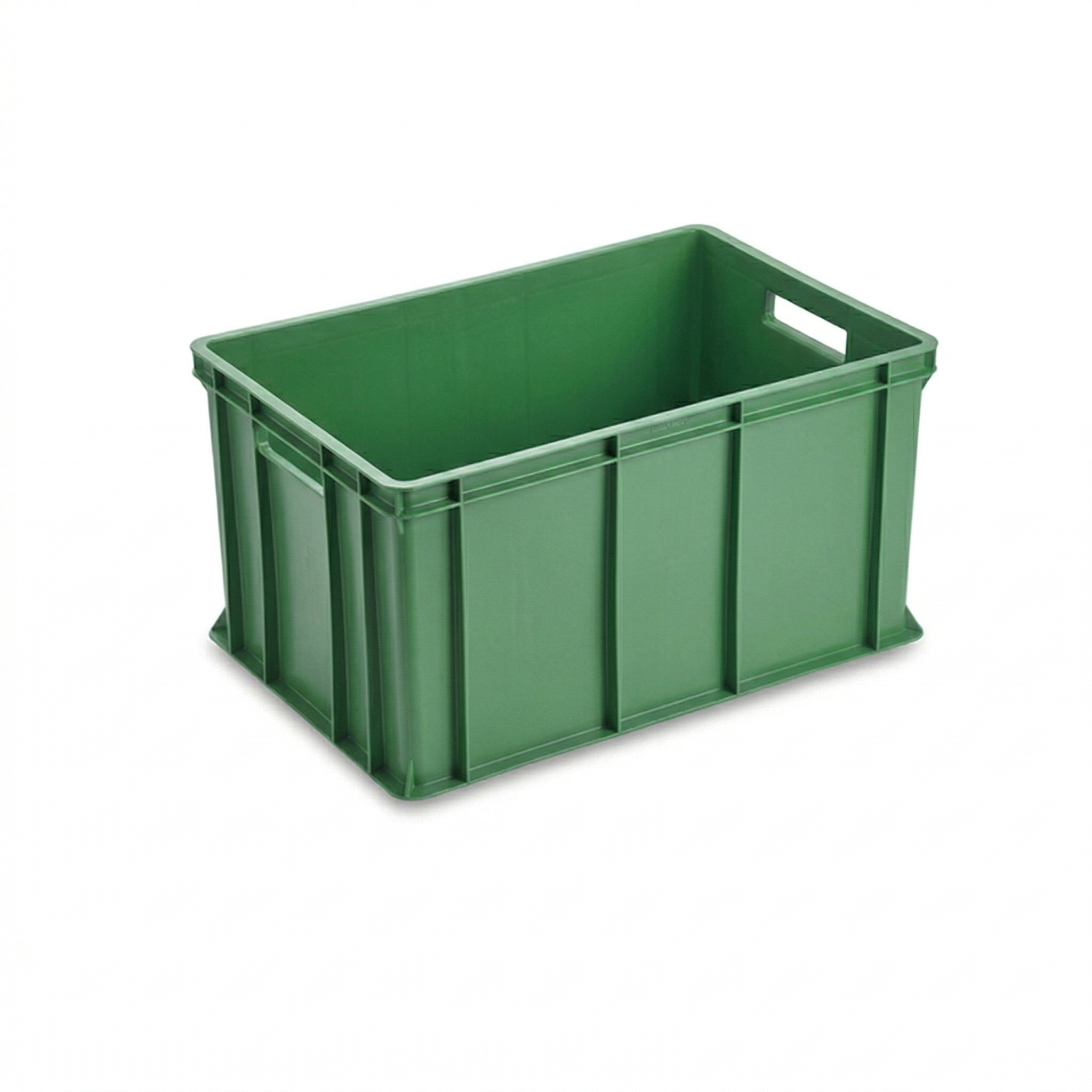
Optimal space organization
FIFO method (First In, First Out)
The FIFO method is a regulatory best practice in establishments subject to European hygiene regulations. It consists of placing new stock behind existing products so that the oldest items are used first.
Zoning and risk-based organization
In positive cold rooms, organizing by zones is essential to prevent cross-contamination:
- Top shelves: cooked and ready-to-eat products.
- Middle shelves: dairy, processed meats, prepared foods.
- Bottom shelves: raw meat, fish, offal.
This vertical organization ensures that raw product juices cannot contaminate other foods.
Storage density management
An overloaded cold room is inefficient. Occupancy above 70–75% of usable volume disrupts cold air circulation and creates warm zones. Aisles must allow easy cart movement (minimum 1.20 m) and safe access to storage areas.
Equipment maintenance and cleaning
Cold room equipment operates under demanding conditions. A strict maintenance program extends lifespan and ensures hygiene:
- Weekly cleaning of shelving and bins (hot water + food-grade detergent).
- Monthly disinfection with approved food-contact products.
- Quarterly inspection of wheels, hinges, and handles.
- Immediate replacement of cracked or damaged bins.